Friday, May 17, 2019

Fancy a game of Ludus latrunculorum? It seems the Romans certainly did

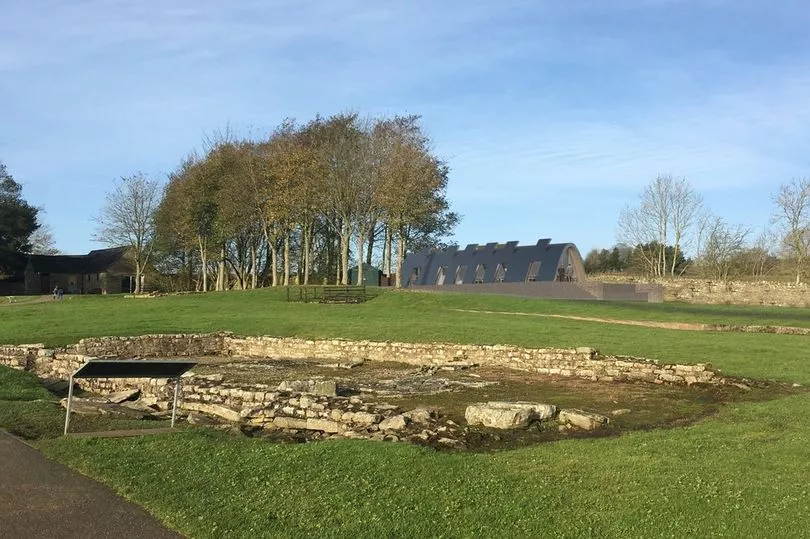
Artists impression of how the Vindolanda archaeology centre would look 
(Image: Newcastle Chronicle)

After a day’s duty on the frontier of Hadrian’s Wall , what better than a relaxing game of Ludus latrunculorum.

The game of strategy and military tactics was popular across the Roman empire, and a stone board on which it may have been played has been uncovered at Vindolanda fort in Northumberland .

This third century board was found by volunteer digger Phil Harding re-used in a floor, in a newly excavated building behind the Vindolanda bath house.

It is thought that the board would have been in use in the bath house and then utilised elsewhere after it was broken.

Read the rest of this article...

Traces of Roman-era pollution stored in the ice of Mont Blanc


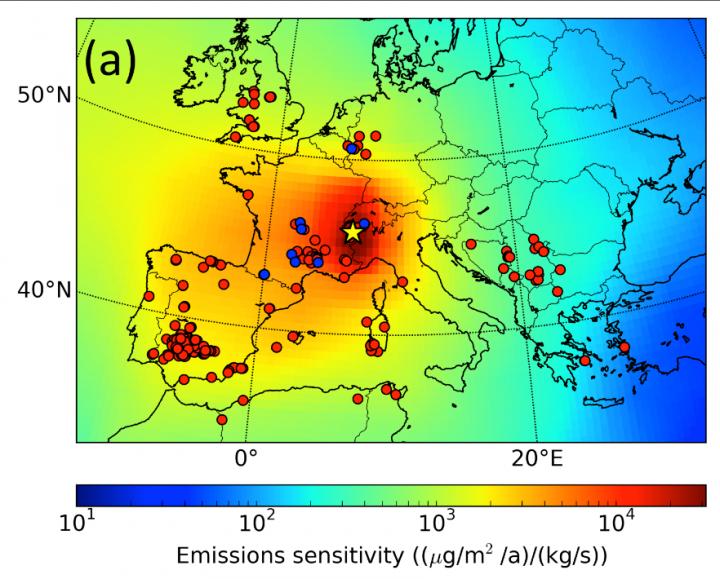
The deepest layers of carbon-14 dated ice found in the Col du Dôme of the Mont Blanc glacier in the French Alps provide a record of atmospheric conditions in the ancient Roman era. Published in Geophysical Research Letters, the study, led by an international team and coordinated by a CNRS scientist at the Institute for Geosciences and Environmental Research (IGE)(CNRS/IRD/UGA/Grenoble INP)*, reveals significant atmospheric pollution from heavy metals: the presence of lead and antimony (detected in ancient alpine ice for the first time here) is linked to mining activity and lead and silver production by the ancient Romans, well before the industrial age, in fact.

Read the rest of this article...

Archaeologists find secret chamber decorated with centaurs and a sphinx inside Nero's palace in Rome

The chamber has been dubbed the Sphinx Room 
CREDIT: UFFICIO STAMPA PARCO ARCHEOLOGICO DEL COLOSSEO

Archeologists have chanced upon an underground chamber decorated with images of panthers, centaurs and a sphinx in the remains of a vast palace built by the Emperor Nero in Rome.

The room, which was part of the huge Domus Aurea palace built by the emperor in the first century AD, had remained hidden for nearly 2,000 years.

It was discovered by accident during restoration of an adjacent area of the palatial complex, which was built on by subsequent emperors, including Trajan, and now lies interred beneath a hill next to the Colosseum in the historic heart of Rome.

Read the rest of this article...

Archaeologists find objects from 10th century under former parking site in Brussels

© Belga

The Brussels regional government has approved a request to prolong archaeological works currently taking place on the site of the former Parking 58 in the city centre, now the planned location for a new administrative centre for Brussels-City municipality.

The works are at the moment a gigantic hole in the ground (photo) where once there was a parking garage famous for the view from its top floor. When the multi-storey car park was razed, a routine architectural inspection uncovered some interesting artefacts, and construction was halted for further investigation, as the law allows.

The dig has now turned up evidence of a settlement on the banks of the Senne, the river on which Brussels grew up, with objects first thought to date to the 10th century, but which may in fact be up to three centuries older.

Read the rest of this article...

New research reveals what was on the menu for medieval peasants

Credit: University of Bristol

Scientists from the University of Bristol have uncovered, for the first time, definitive evidence that determines what types of food medieval peasants ate and how they managed their animals.

Using chemical analysis of pottery fragments and animal bones found at one of England's earliest medieval villages, combined with detailed examination of a range of historical documents and accounts, the research has revealed the daily diet of peasants in the Middle Ages. The researchers were also able to look at butchery techniques, methods of food preparation and rubbish disposal at the settlement Dr. Julie Dunne and Professor Richard Evershed from the University of Bristol's Organic Geochemistry Unit, based within the School of Chemistry, led the research, published today in the Journal of Archaeological Science.

Julie said: "All too often in history the detail, for example food and clothing, of the everyday life of ordinary people is unknown.

Read the rest of this article...

UK's 'Tutankhamun' tomb: Your questions answered

The tomb contained 40 artefacts including treasures from other kingdoms
MOLA

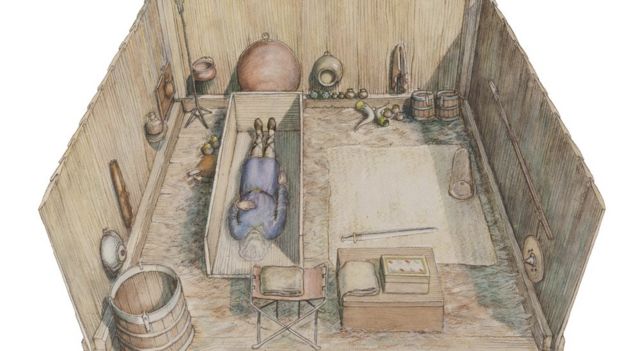
Treasures discovered in an Anglo-Saxon royal burial site have gone on display for the first time. The site, discovered between a pub and an Aldi supermarket in 2003, has been described as the UK's answer to Tutankhamun's tomb.

Here we answer your questions on the astonishing find at Prittlewell near Southend.

How was it discovered?

The Museum of London Archaeology (MOLA) was commissioned by Southend-on-Sea Borough Council to perform an archaeological investigation on the site ahead of a proposed road widening scheme.

The small verge between the road and rail line was known to be in the area of an Anglo-Saxon cemetery,

Read the rest of this article...

Southend burial site 'UK's answer to Tutankhamun'

The Prittlewell burial site was discovered in 2003
MOLA

A royal burial site found between a pub and Aldi supermarket has been hailed as the UK's answer to Tutankhamun's tomb.

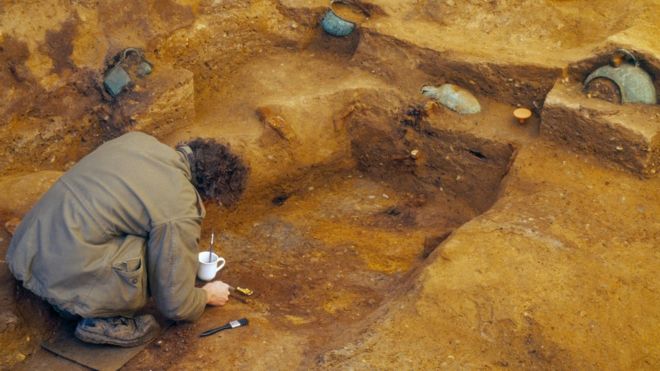
Workers unearthed the grave, which contained dozens of rare artefacts, during roadworks in Prittlewell, near Southend, Essex, in 2003.

Tooth enamel fragments were the only human remains, but experts say their "best guess" is that they belonged to a 6th Century Anglo-Saxon prince.

It is said to be the oldest example of a Christian Anglo-Saxon royal burial.

Now, after 15 years of expert analysis some of the artefacts are returning to Southend to go on permanent display for the first time at the Central Museum.

When a team from the Museum of London Archaeology (Mola) excavated the site, they said they were "astounded" to find the burial chamber intact.

Read the rest of this article...
'Queen's bones' found in Winchester Cathedral royal chests

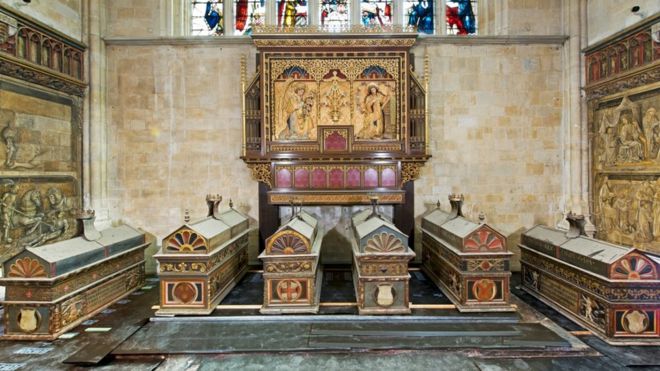
The six chests have been found to hold the remains of at least 23 individuals
JOHN CROOK / WINCHESTER CATHEDRAL

Bones held in mortuary chests in Winchester Cathedral could include those of an early English queen, researchers have found.

The contents of six chests have been analysed and radiocarbon-dated.

University of Bristol biological anthropologists found they contained the remains of at least 23 individuals - several more than originally thought.

One is believed to be that of Queen Emma who was married to kings of England, Ethelred and Cnut.

Although the chests, originally placed near the high altar, had inscriptions stating who was supposed to be within them, it was known the names bore no relation to the actual contents.

Read the rest of this article...
Thursday, May 16, 2019

Bones unidentified for centuries may belong to one of England’s most historically important queens

Anglo-Saxon bones dating back 1,000 years ( Dean and Chapter of Winchester Cathedral )

Early England’s forgotten monarchs are set for a high-profile comeback – more than 1,000 years after they died.

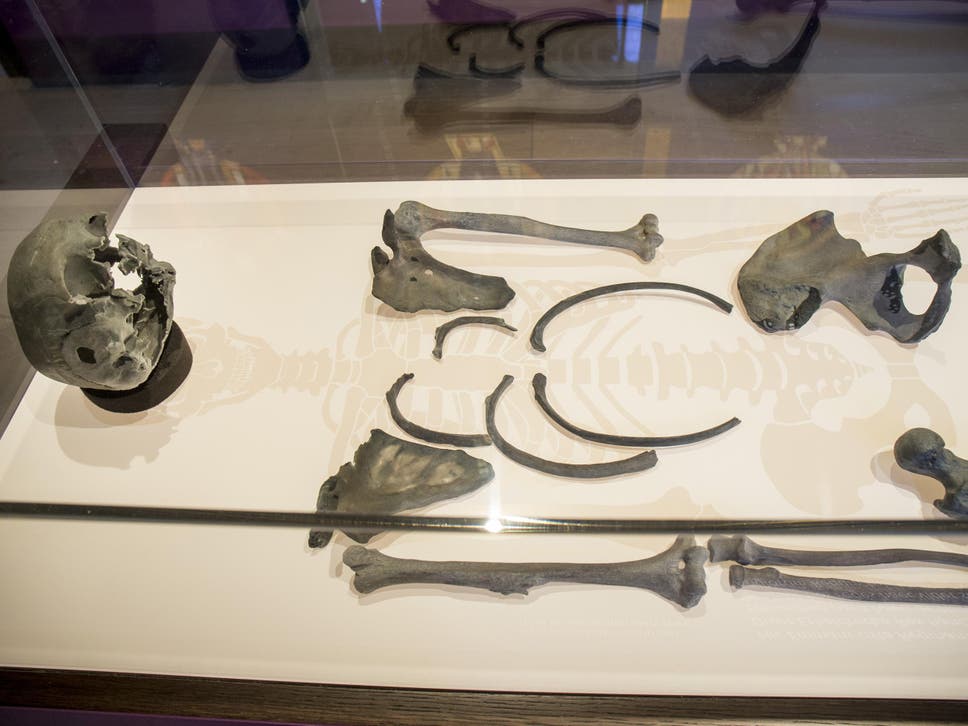
Scientists are investigating the remains of up to 18 Anglo-Saxon kings and queens to try to determine their identities, potentially including the pivotal figure of Queen Emma. Emma of Normandy was the wife of two kings and the mother of two others, and one of the most significant figures of late Anglo-Saxon England.

The trove is believed to be the largest assemblage of medieval royal skeletal material ever scientifically analysed anywhere in the world.

For hundreds of years, some 1,300 royal and other high status bones have been kept in elaborate wooden caskets in what was, back in Anglo-Saxon times, England’s de facto capital city, Winchester.

Read the rest of this article...
Arctic Vikings Field School- Igaliku, South Greenland


Arctic Vikings Field School- Igaliku, South Greenland
Institute for Field Research
June 22 to July 23 2019
This field school is a four-week adventure in a rugged environment that will provide students with a crash course in Arctic Archaeology. Participants will learn how to identify sites and features through landscape survey, perform “keyhole” excavations, and learn how to document their observations quickly and efficiently. Students will not only learn about archaeological field methods but will also have the chance to interact with the local community and gain insight into emerging issues regarding the impact of global climate change on cultural resources in the Arctic. Due to the ongoing issues surrounding the loss of organic deposits in South Greenland, emphasis will be placed on rapid and efficient intervention techniques in the field. This program is RPA certified (Register of Professional Archaeologists) and will benefit students who plan to pursue cultural resource management work in the future.

Further Details...

Thursday, April 11, 2019

Archeologists believe Norway find is rare Viking ship burial

This handout picture released on March 25, 2019 by Vestfold Fylkeskommune shows Funnplass, 
where a ship's grave probably originated from the Viking Age has been discovered on a plain among the burial mounds in Borreparken in Vestfold, eastern Norway

Archeologists believe they have found a rare Viking ship burial site in a region of Norway known for its Viking-era treasures, Norwegian officials said Monday.

Using ground-penetrating radar (GPR), experts found a ship-shaped anomaly near other Viking burial mounds in the Borre Park in Vestfold county, southeast of Oslo.

"The GPR data clearly show the shape of a ship, and we can see weak traces of a circular depression around the vessel. This could point to the existence of a mound that was later removed," Terje Gansum, leader of the department for cultural heritage management in Vestfold county, said in a statement.

He said researchers would carry out further investigations to try and assess the size of the preserved find.

Read the rest of this article...
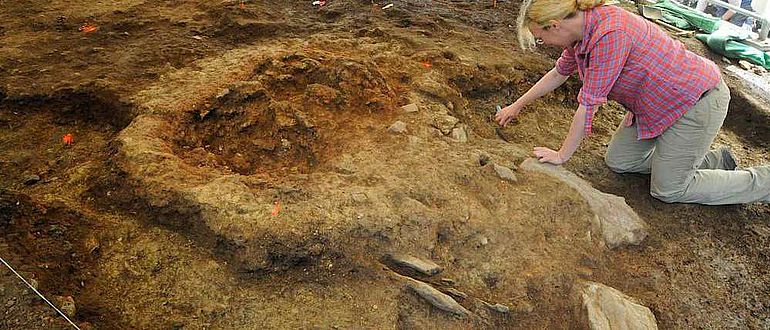
Stone Circles Ringed House That May Have Belonged to the Neolithic 'One Percent'

The Avebury henge consists of at least two stone circles enclosed within a larger stone circle.
Credit: Kevin Standage/Shutterstock

The massive and ancient stone circles around Stonehenge and Avebury in southern England may have all started with the commemoration of a single Neolithic house that probably belonged to an elite family, archaeologists now say.

Using ground-penetrating radar, the researchers found that the monumental stone circles of Avebury, about 25 miles (40 kilometers) north of Stonehenge, were centered on an early Neolithic habitation, with the concentric stone circles and large earthen embankment being built around it probably centuries later.

They say the Neolithic house at Avebury was built sometime after 3700 B.C. — but centuries before the creation of the larger rings of stone at Avebury and the megalithic monument at Stonehenge, which research shows were built after 3000 B.C.

Read the rest of this article...

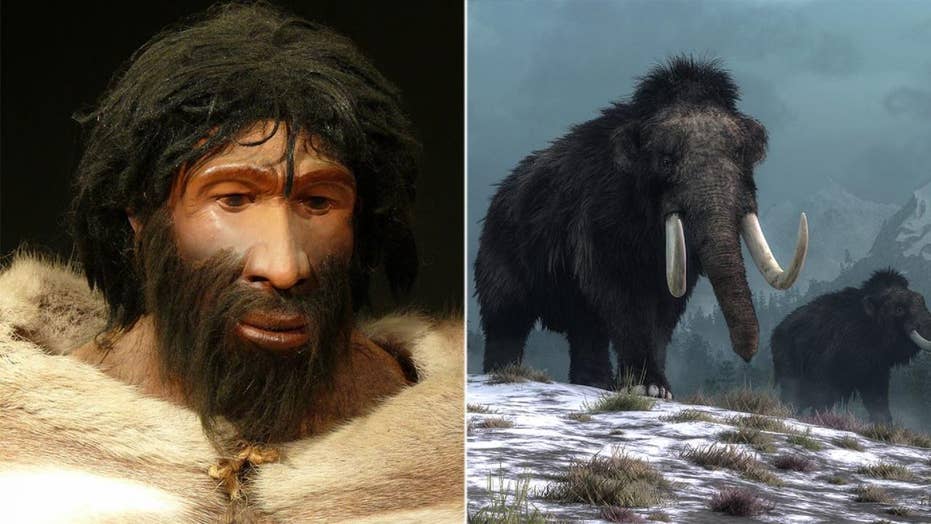
Woolly mammoth mystery solved? Study reveals shocking details about prehistoric creature


A new study suggests that woolly mammoths and mankind's ancestors, the Neanderthals, may have shared genetic traits.

Extinct for thousands of years, the woolly mammoth continues to fascinate humanity, as the prospect of eventually reviving the species is pondered among the scientific community. Now, a new study suggests that the giant creatures and mankind's ancestors, the Neanderthals, may have shared genetic traits.

The study, published by researchers at Tel Aviv University, suggests that because of their shared geography, mammoths and Neanderthals likely had similar molecular characteristics that allowed them to adapt to their harsh environmental surroundings.

"Neanderthals and mammoths lived together in Europe during the Ice Age. The evidence suggests that Neanderthals hunted and ate mammoths for tens of thousands of years and were actually physically dependent on calories extracted from mammoths for their successful adaptation," said professor Ran Barkai in a statement.

Read the rest of this article...

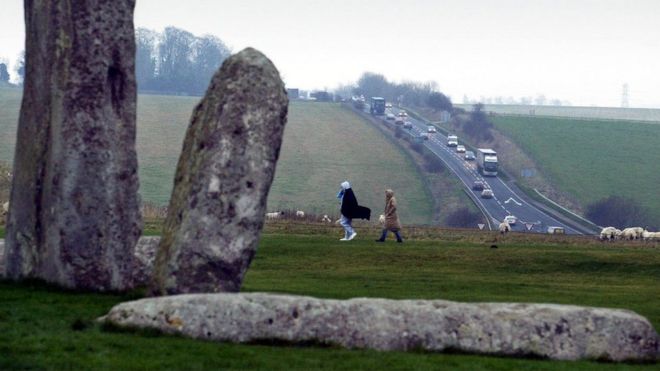
Stonehenge tunnel: Row over building clause in deeds

Campaigners say the deeds prevent work close to the stones

Plans for a controversial road tunnel near Stonehenge could be blocked because of conditions in the ancient monument's deeds.

The government wants to build a 1.9 mile (3km) tunnel past the Neolithic stone circle.

But when the monument was gifted to the nation by Sir Cecil Chubb in 1918 its deeds contained conditions.

Highways England said it believed the proposed tunnel did not fall within the covenant's boundary.

The issue was raised during a Planning Inspectorate preliminary meeting into the application to build the tunnel past the stones.

Read the rest of this article...

Von den Kelten bis zum Mittelalter: Eisenverhüttung im Siegerland


Vor über 2.000 Jahren war das Siegerland eine blühende Region für Eisenproduktion. In den bislang größten bekannten Verhüttungsöfen ihrer Epoche in Europa gewannen keltische Hüttenleute große Mengen an Stahl. Archäologen gelang in Siegen nun ein Nachweis dieser bisher für die Eisenzeit in Mitteleuropa einzigartigen großen Zahl an Werkstätten zur Eisenverarbeitung.

Read the rest of this article...
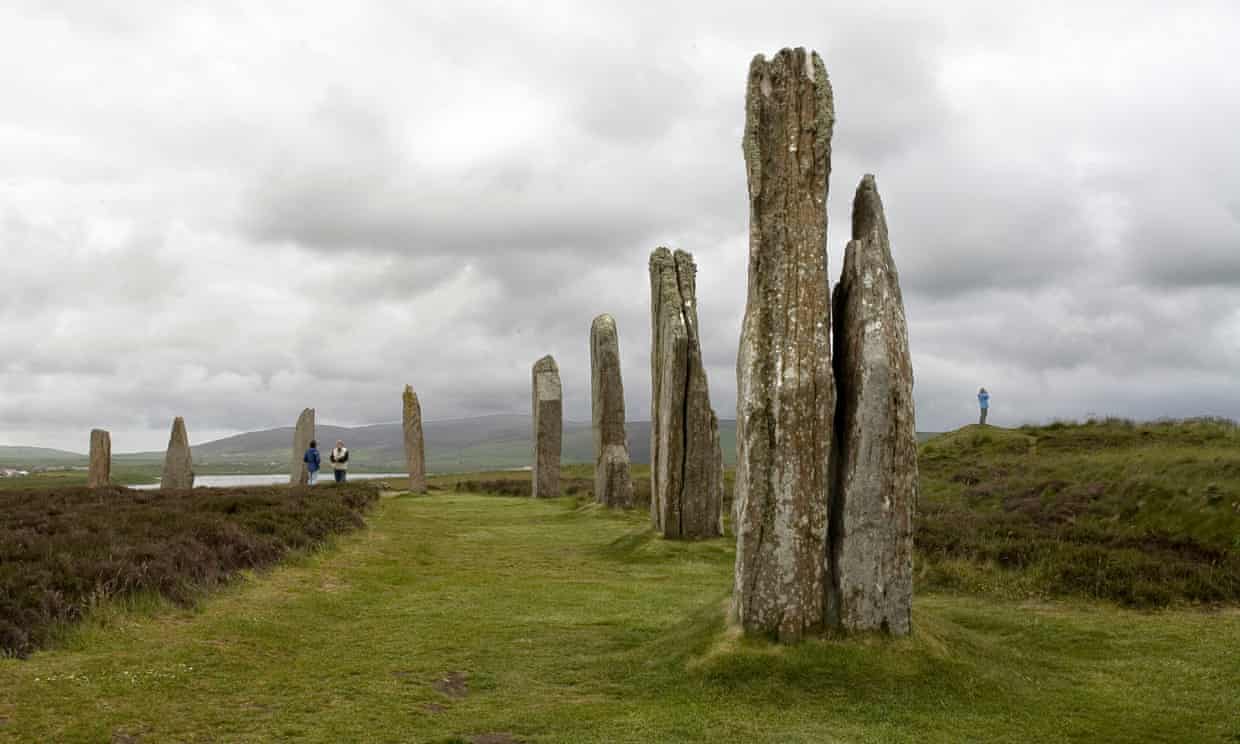
World-renowned Ring of Brodgar stone circle vandalised in Orkney


The Ring of Brodgar originally comprised 60 stones, of which 36 survive. 
Photograph: Murdo Macleod/The Guardian

Graffiti engraved on a stone at Neolithic monument that is part of world heritage site

A world-renowned stone circle in Orkney, which is more than 4,000 years old, has been vandalised.

Damage to the Ring of Brodgar includes graffiti that has been engraved into one of the stones at the Neolithic site near Stenness. It is believed to have been caused sometime between Friday afternoon and Sunday morning.

Insp David Hall from Police Scotland said: “The stones at the Ring of Brodgar are priceless historical artefacts and the damage caused cannot simply be estimated in monetary terms.

“For someone to damage them in this way is a particularly mindless act. I would urge anyone who has visited the area over the last weekend to think back and if they believe they may have seen something suspicious, even if it didn’t seem of much note at the time, to let us know.

Read the rest of this article...
'New species of human' found in cave throws doubt over evolution theories

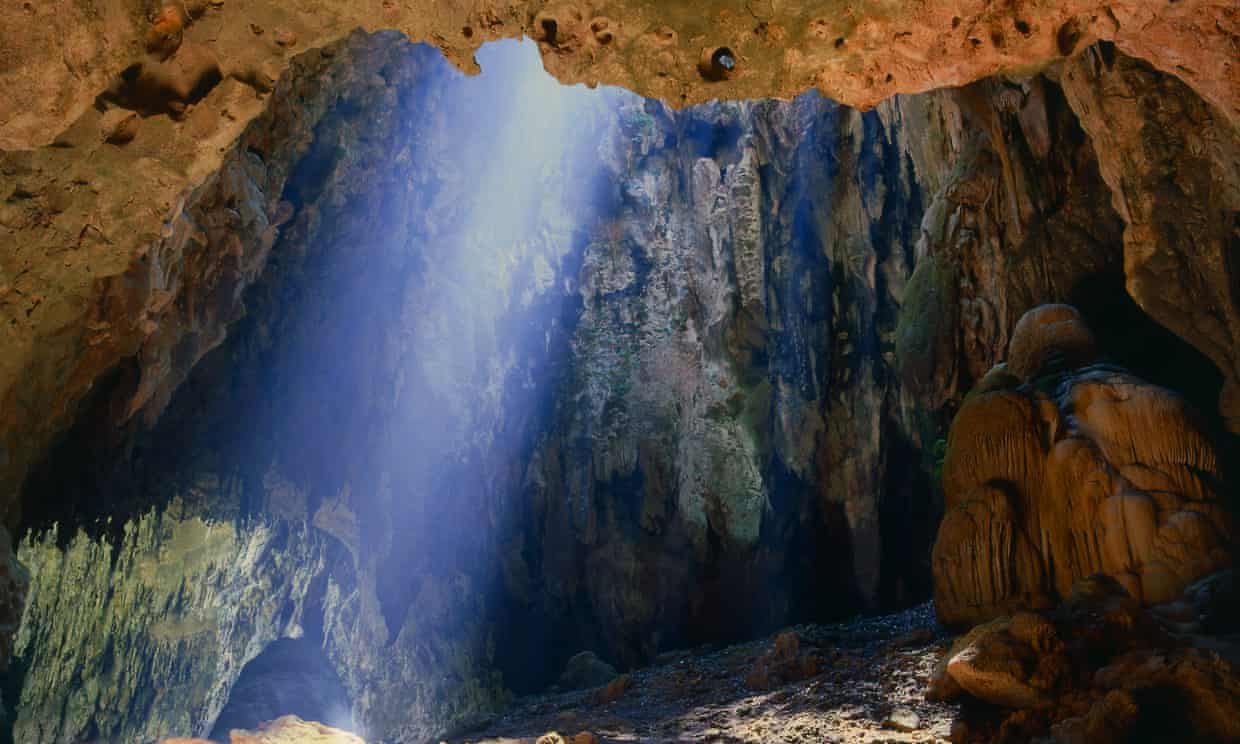
Key site: Callao Cave on Luzon island in the Philippines, where fossils of Homo luzonensis were found. Photo: AFP/Getty Images

A previously unknown species of human that lived at the same time our ancient ancestors were colonising Europe has been discovered in the Philippines.
Bones and teeth of the "hominin" were found in Callao Cave on Luzon, the largest island in the Asian archipelago. They contain a mixture of old and new features that have excited scientists and threaten to overturn accepted theories of human evolution.
Hominins are members of the human family tree more closely related to one another than to apes.
Today, only one species of this group remains, Homo sapiens, to which everyone on Earth belongs.
Read the rest of this article...
New species of ancient human discovered in Philippines cave

Callao cave, where the fossils of Homo luzonensis were discovered. 
Photograph: Quincy/Alamy

Homo luzonensis fossils found in Luzon island cave, dating back up to 67,000 years
A new species of ancient human, thought to have been under 4ft tall and adapted to climbing trees, has been discovered in the Philippines, providing a twist in the story of human evolution.

The specimen, named Homo luzonensis, was excavated from Callao cave on Luzon island in the northern Philippines and has been dated to 50,000-67,000 years ago – when our own ancestors and the Neanderthals were spreading across Europe and into Asia.

Florent Détroit, of the Natural History Museum in Paris and the paper’s first author, said the discovery provided the latest challenge to the fairly straightforward prevalent narrative of human evolution.

Read the rest of this article...
Thursday, April 04, 2019

A 5,000-year-old barley grain discovered in Finland

Researchers determined the age of millennia-old barley grains using radiocarbon dating 
[Credit: Santeri Vanhanen]

On the basis of prior research, representatives of the Pitted Ware Culture from the Stone Age have been known as hard-core sealers, or even Inuits of the Baltic Sea. Now, researchers have discovered barley and wheat grains in areas previously inhabited by this culture, leading to the conclusion that the Pitted Ware Culture adopted agriculture on a small scale.

A study carried out in cooperation with parties representing the discipline of archaeology and the Department of Chemistry at the University of Helsinki, as well as Swedish operators in the field of archaeology (The Archaeologists, a governmental consultant agency, and Arkeologikonsult, a business), found grains of barley and wheat in Pitted Ware settlements on Finland's Aland Islands and in the region of modern Stockholm.

The age of the grains was ascertained using radiocarbon dating. Based on the results, the grains originated in the period of the Pitted Ware culture, thus being approximately 4,300-5,300 years old. In addition to the cereal grains, the plant remnants found in the sites included hazelnut shells, apple seeds, tuberous roots of lesser celandine and rose hips.

Read the rest of this article...

Climate change drove some Neanderthals to cannibalism

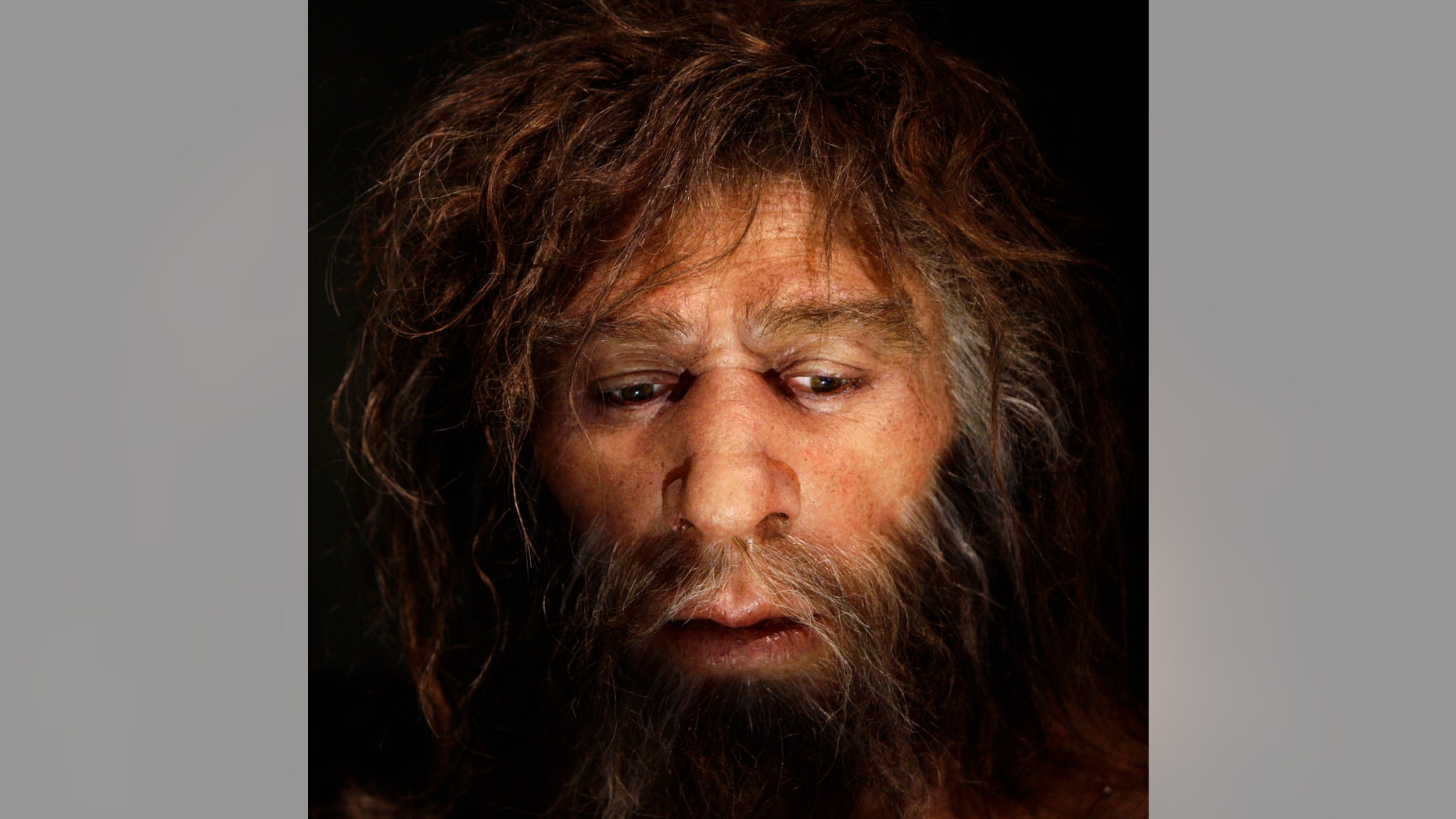
File photo - Hyperrealistic face of a neanderthal male is displayed in a cave in the new Neanderthal Museum in the northern Croatian town of Krapina Feb. 25, 2010. (REUTERS/Nikola Solic)

Six Neanderthals who lived in what is now France were eaten by their fellow Neanderthals some 100,000 years ago, according to gruesome evidence of the cannibalistic event discovered by scientists in a cave in the 1990s.

Now, researchers may have figured out why the Neanderthals, including two children, became victims of cannibalism: global warming.

While prior studies have interpreted Neanderthal remains to find proof of cannibalistic behavior, this is the first study to offer clues as to what may have led Neanderthals to become cannibals. Scientists found that rapid shifts in local ecosystems as the planet warmed may have extinguished the animal species that Neanderthals ate, forcing them to look elsewhere to fill their bellies. 

Read the rest of this article...