Monday, February 27, 2023

The end of Roman Britain | HistoryExtra podcast series


The end of Roman Britain: introduction, and a mystery mosaic

Join us for episode one in our series examining what happened in Britain as Roman influence waned…

Read the rest of this article...

Wulf and Eadwacer: why I think I’ve solved the mystery of this Old English poem

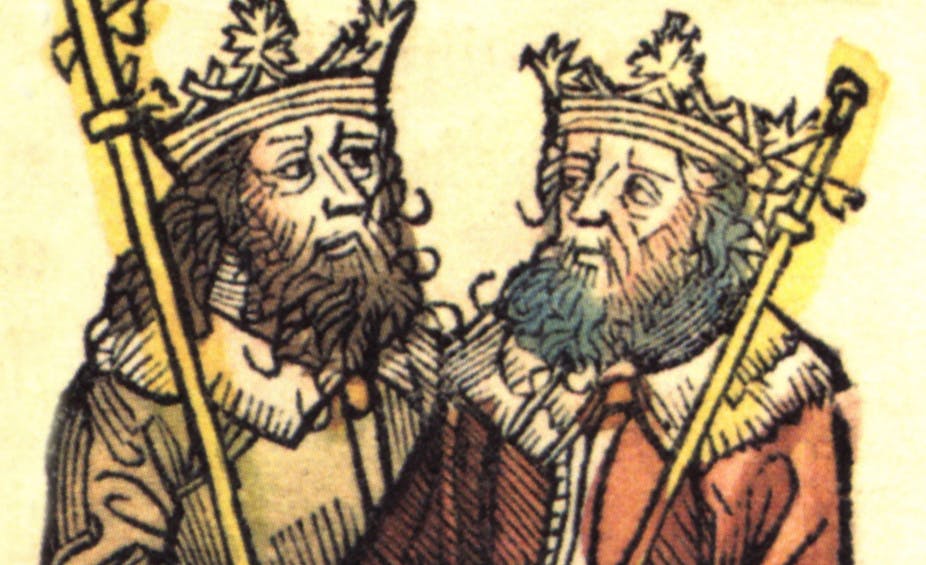
Odoacer (left) and Theoderic (right) in a woodcut from the Hartmann Schedel (1493). 
INTERFOTO / Alamy Stock Photo

Wulf and Eadwacer occupies just a few lines in the Exeter Book, an anthology of mostly anonymous Old English poems made in the second half of the 10th century. As a relic of a literary culture largely lost, the Exeter Book is priceless. But some of its contents are very hard to understand.

This includes Wulf and Eadwacer. The poem’s first editor said in 1842: “Of this I can make no sense.” Over 100 studies later, not much has changed.

The poem seems to be spoken by a woman, lamenting her relation to two men, Wulf and Eadwacer, in some unknown watery landscape with islands. She also mentions a “whelp”, often supposed to be her child by one or other of them, or neither. If you think that sounds clear enough, every point could be – and has been – disputed by scholars.

Read the rest of this article...

William The Conqueror: Ruthless And Powerful Ruler Who Changed Britain Forever

William the Conqueror & Harold II swearing - 11th century. 
Image: Adobe Stock - Erica Guilane-Nachez

William was the son of Herleva and Robert I, the Duke of Normandy, France, then known as “Francia”).   William was frequently called a bastard, especially by his opponents. The reason was that his mother actually never married his father, Robert, most probably because Herleva was a simple Anglo-Saxon woman and not of noble birth.

Although he was the illegitimate son of the Duke of Normandy Robert the Magnificent (also called "Robert the Devil"), after his father's death in 1035, William was named his successor at only eight years of age. Under the name of William II (in French: Guillaume II), the boy became the new duke of Normandy during a challenging time.

Read the rest of this article...


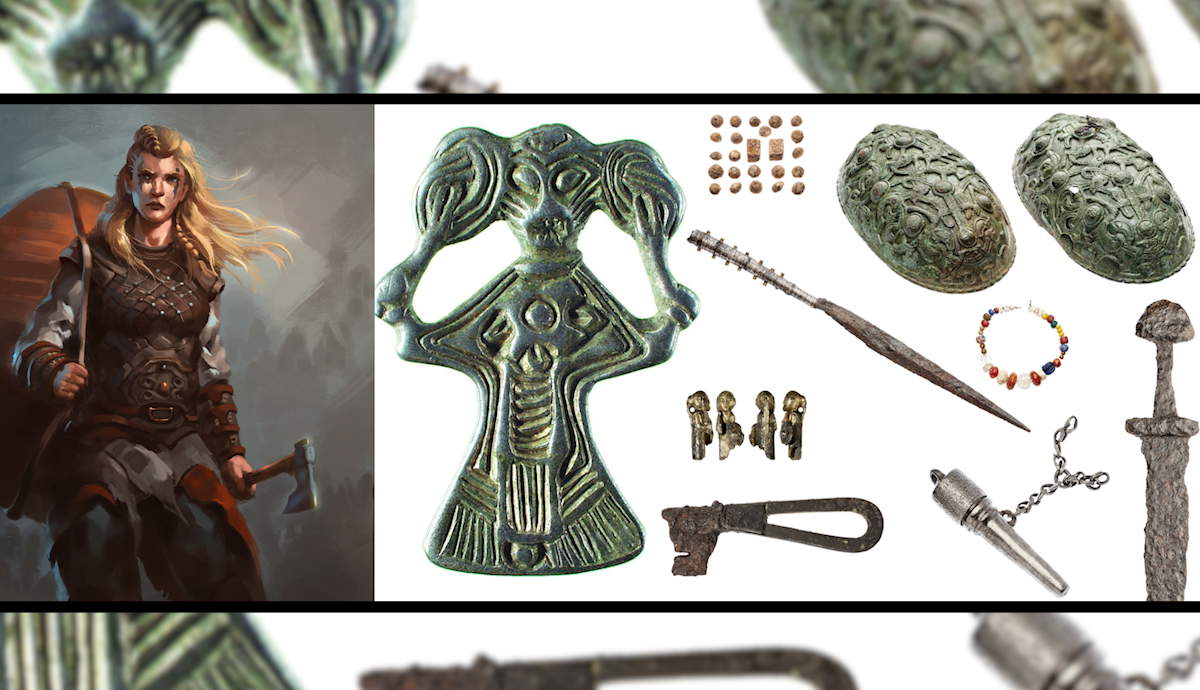
10 Burial Excavations That Unveil Incredible Viking Women


What was a Viking? The Vikings emerged from Scandinavia in the late eighth century as marauding raiders and traders with fantastic ships. From approximately 750-1100 CE, the Vikings roamed the world. Popularly, Vikings are often portrayed as overwhelmingly male. Even in the archaeological record, male burials outnumber female graves. Despite this imbalance, evidence shows Viking women lived versatile lives as warriors, witches, queens, traders, and housewives. By exploring the lives of ten Viking women we can reveal an exciting world of intrigue and movement with many mysteries still to be deciphered.

1. Viking Women as Warriors: The Birka Warrior

A warrior was found lying in a wooden chamber in the black earth on the island of Birka. Weapons crowded the grave, pointing to a life of conflict or readiness for battle. A sword, an axe, a knife, two lances, two shields, and 25 arrows rested beside the warrior should the weapons be needed again. Elsewhere in the grave, gaming pieces waited to be used. Made of bone, these game pieces likely formed part of a hnefatafl set, a medieval game of strategy used as preparation for war. Two horses lay at the warrior’s feet. As archaeologists removed the dirt and artifacts from the chamber, they had little doubt that the warrior had been a man of considerable status. They were half right but half wrong.

Read the rest of this article...

Thursday, February 23, 2023

Vikings and Scotland: 10 Interesting facts about ancient Vikings and their history in Scotland


Scotland rests just over the North sea from Scandinavia which made it a prime entry point for Vikings entering the British Isles back when they invaded in the 8th century. Their violent raids took place on Scotland’s coastline and islands where they robbed precious metals from local communities before eventually forming their own settlements.

United under Norwegian rule, the Scottish islands were signed over to Magnus III of Norway by King Eagar in 1098 in a region that would be known as the Kingdom of the Isles. The Kingdom comprised the Northern Isles of Shetland and Orkney (where Norse influence is said to be its most potent) and the Southern Isles including the Isle of Man and Hebrides.

Just like with Gaelic or Pictish communities, the Norse legacy of Scotland can still be felt today as place names feature motifs from their languages and Scots can still trace their ancestry back to such groups.

To explore this heritage further, here are 10 interesting facts about Vikings in Scotland and how they influenced the Scotland we know today.

Read the rest of this article...

Dwarfie Stane: Mysterious 5,000-Year-Old Rock-Cut Tomb On Dark Enchanted Island Of Hoy, Scotland

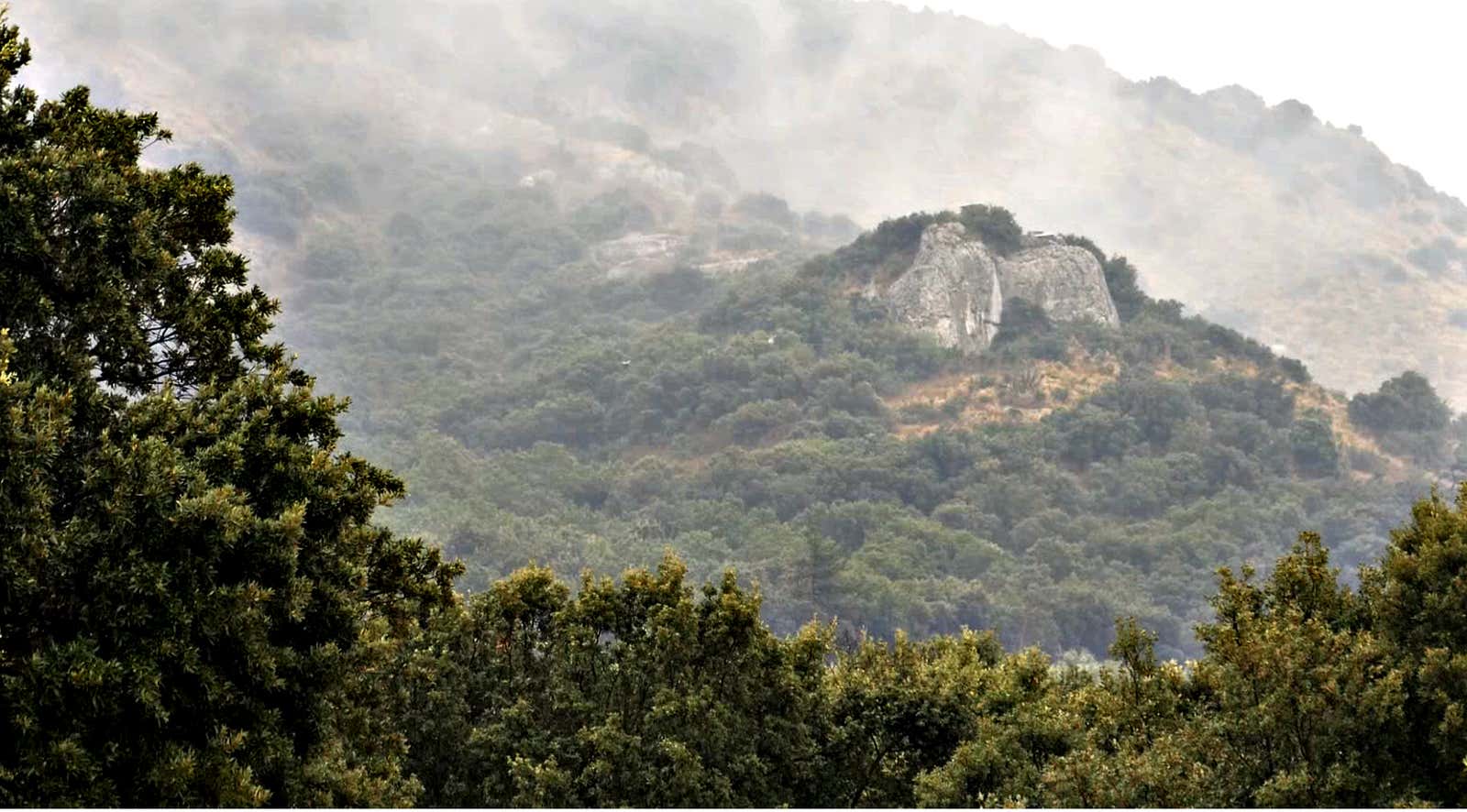
The Dwarfie Stane with the entrance to the tomb. Credit: Grovel - CC BY 3.0

A. Sutherland- AncientPages.com - The "Dwarfie Stane" is a remarkable ancient and massive piece of red sandstone. This 5,000-year-old block is surrounded by mystery, which has not been solved until today.

There is no record of who, in what manner, and for what purpose or purposes, created this great tomb.

Known as the Dwarfie Stane, the curious stone lies in a steep-sided and remote valley between Quoys and Rackwick on the island of Hoy in Orkney, Scotland, and is believed to be Britain's only example of a rock-cut tomb.

The chamber was carved out between the Neolithic and the Early Bronze Age, probably around 3,000 BC. This estimation is based on similar tombs discovered in the region of the Mediterranean.

Read the rest of this article...

Modern Humans With Bows and Arrows Invaded France 54,000 Years Ago

Reproduced arrowheads made using the same flint and shot from a bow, to compare fracturing with the points found in Grotte Mandrin. Experiments by Laure Metz, Toomaï Boucherat, Christian Trubère and Ludovic Slimak show they were indeed arrowheads.Credit: Ludovic Slimak

But they didn’t stay long. New finds in southern France indicate protracted struggle: Neanderthals and humans replacing one another, more than once

Around 54,000 years ago, a group of anatomically modern humans forayed into southern France, intruding deep into the stamping ground of Neanderthals. And they came prepared, bearing the first bow and arrow technology to reach Europe – a good 10,000 years earlier than we assumed. Not that it helped them survive.

Read the rest of this article...

Grave of Elite Bronze Age Brothers With Mystery Disease Discovered

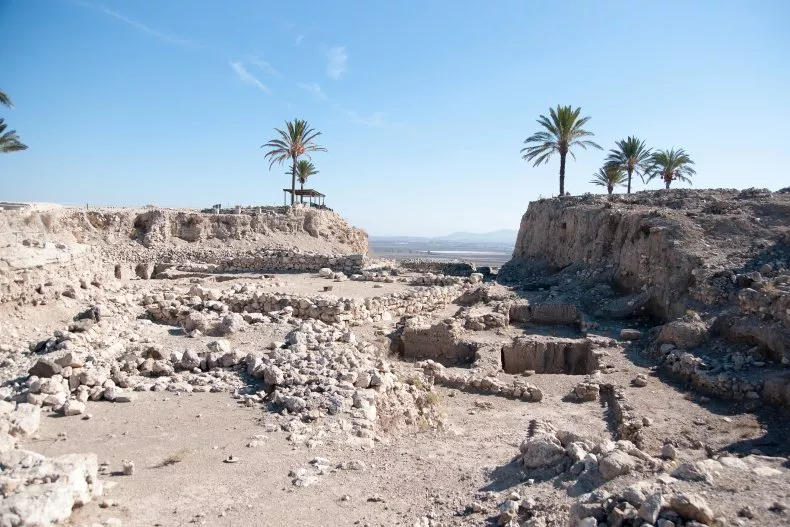
Photo of Tel Megiddo National Park in modern-day Israel. This was the site of the ancient city of Megiddo.  JAVAX/GETTY

The bodies of two Bronze Age brothers have been discovered in an ancient tomb in Israel, and they bear a mysterious disease that has left scientists puzzled.

The bones of the brothers—whose relation was confirmed by DNA analysis—both show signs of developmental abnormalities and extensive bone remodeling, characteristic of a chronic infectious disease. The identity of the disease, however, remains a mystery.

"There is no one infectious disease that seems to fit all of the lesion patterns perfectly," Rachel Kalisher, who led the study, told Newsweek. "Paleopathology is an extremely complex field of study that has to not only study modern clinical manifestations of a disease, but also think about how it could have manifested in the past."

Read the rest of this article...

54,000-Year-Old Stone Points Are Oldest Signs of Bow and Arrow Use in Europe

The site of Grotte Mandrin, in France

Artifacts discovered in a rock shelter suggest Homo sapiens was launching stone projectiles in Europe 40,000 years earlier than previously thought.

Hundreds of stone artifacts and 54,000-year-old human teeth have been found in a rock shelter in the south of France, pushing back evidence for Homo sapiens wielding the bow and arrow in Europe by 10,000 years.

The shelter—Grotte Mandrin, near the Rhône River valley—has yielded 852 artifacts, including cut stone points, blades, and flakes, which indicate to researchers that projectile weapons were being used by ancient humans there. The team’s study is published today in Science Advances, and it builds on a paper published last year that established the ancient human presence based on 54,000-year-old teeth.

Read the rest of this article...

When in Rome: Archaeologists discover ancient wooden phallus that may be exactly what it looks like

HEXHAM, United Kingdom — Vindolanda served as an ancient Roman auxiliary fort in the north of what is now the United Kingdom for nearly 300 years (roughly 85 AD -370 AD). Now, a new analysis has identified what looks to be the first ever known example of a disembodied phallus made of wood recovered anywhere in the Ancient Roman world.

Phalli were actually quite ubiquitous at the time across the Roman Empire, as they were believed to help promote good luck and ward off bad fortune. People would wear necklaces featuring phallic pendants, and phallic images were often seen in painted frescoes and mosaics. They even formed part of the decoration of other objects such as knife handles or pottery.

Read the rest of this article...

This Man Underwent Brain Surgery 3,500 Years Ago

Two brothers’ remains were found buried together under the floorboards of their home. One had a hole in his skull consistent with surgery. Kalisher et al., 2023, PLOS One, CC-BY 4.0

While excavating a 3,500-year-old tomb in Tel Megiddo, Israel, scientists discovered a skull with a surprising feature: a square hole that’s clear evidence of an ancient brain surgery.

Nobody knows whose steady hands performed the operation, or what experience made the surgeon feel prepared to remove part of a living human’s cranium. Was the patient administered some anesthesia or a mind-altering substance? Or was he left to experience the operation in excruciating pain? And what desperate straits or last-ditch hopes led to such an extreme step?

“I can only hypothesize based off of the amount of pathological evidence that is on this individual that this was an intervention because of deteriorating conditions,” says Rachel Kalisher, a bioarchaeologist at Brown University. “But we don’t really have a clear answer.”

Read the rest of this article...

Centuries Before Stonehenge, This Settlement Housed the First European Stone Monument Builders


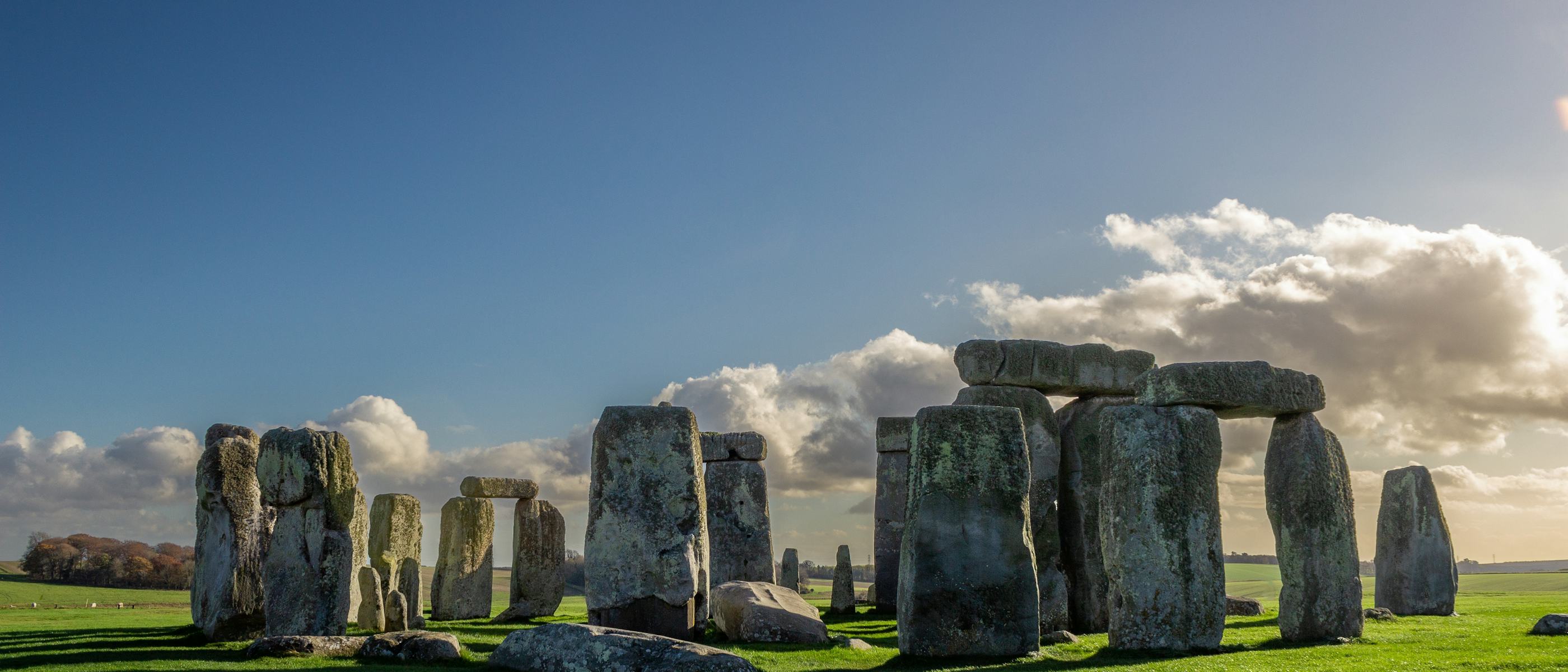
Whether its Stonehenge, the pyramids, or a myriad of other ancient places, we’ve long been fascinated by impressive monuments from the distant past. But more often than not, the stories of the people who built these ancient marvels are lost to the mists of time.

It’s rare to get a glimpse into the lives of the laborers whose handiwork still towers over landscapes today. But a newly-described site in France reveals the likely home base of some of Europe’s first stone monument builders, dating back to the Middle Neolithic period (4700-3700 BC).

Described this week in the journal Antiquity, researchers reconstructed a 6500-year-old settlement where a group of workers may have lived just a few kilometers from their job site. They pieced together the details of life at the settlement, including how it met a destructive fate.

Read the rest of this article...

Neanderthals spread diverse cultures across Eurasia (before we came along)

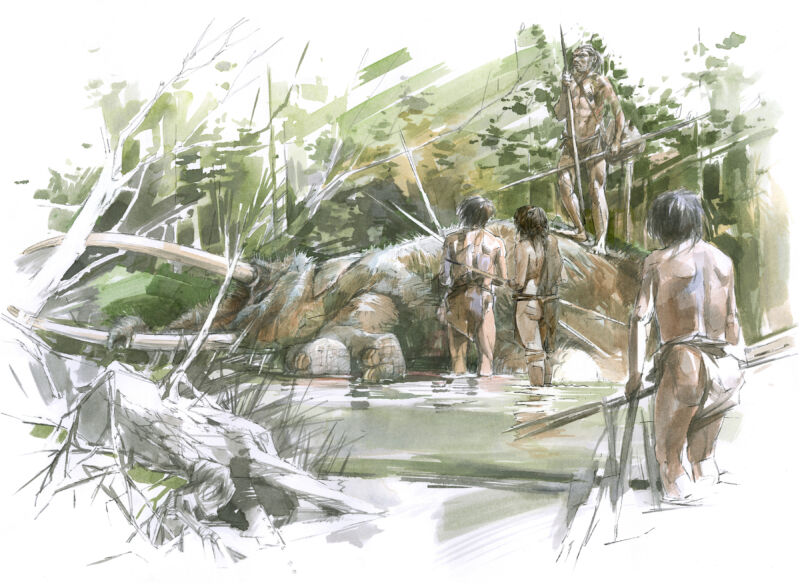
This artist's conception shows how Neanderthals might have faced down the mammoth task of butchering a freshly-killed elephant.

Two recent studies of Neanderthal archaeological sites (one on the coast of Portugal and one in central Germany) demonstrate yet again that our extinct cousins were smarter and more adaptable than we’ve often given them credit for. One study found that Neanderthals living on the coast of Portugal 90,000 years ago roasted brown crabs—a meal that’s still a delicacy on the Iberian coast today. The other showed that 125,000 years ago, large groups of Neanderthals came together to take down enormous Ice Age elephants in what’s now central Germany.

Individually, both discoveries are fascinating glimpses into the lives of a species that's hauntingly similar to our own. But to really understand the most important thing these Neanderthal diet discoveries tell us, we have to look at them together. Together, they show that Neanderthals in different parts of Europe had distinct cultures and ways of life—at least as diverse as the cultures that now occupy the same lands.

Read the rest of this article...

Did Byzantine Christian Icons Conceal Pagan Gods?

Early Christian icons may have derived some of their stylistic elements from pagan religious portraits, according to some historians. Credit: Ministry of Culture

Religious icons of Christ, the Blessed Mother Mary, and the saints are integral to the religious practices of Orthodox Christians. The tradition was largely handed down to modern Christians by the iconographers of the Byzantine/Eastern Roman Empire.

However, the practice may have evolved from earlier pagan religious rituals. That the peoples of the ancient world worshipped statues and figures of their gods is well known, but newer evidence suggests that they also commissioned portraits of their gods to be venerated in their own homes, not unlike Orthodox Christian icons.

Read the rest of this article...

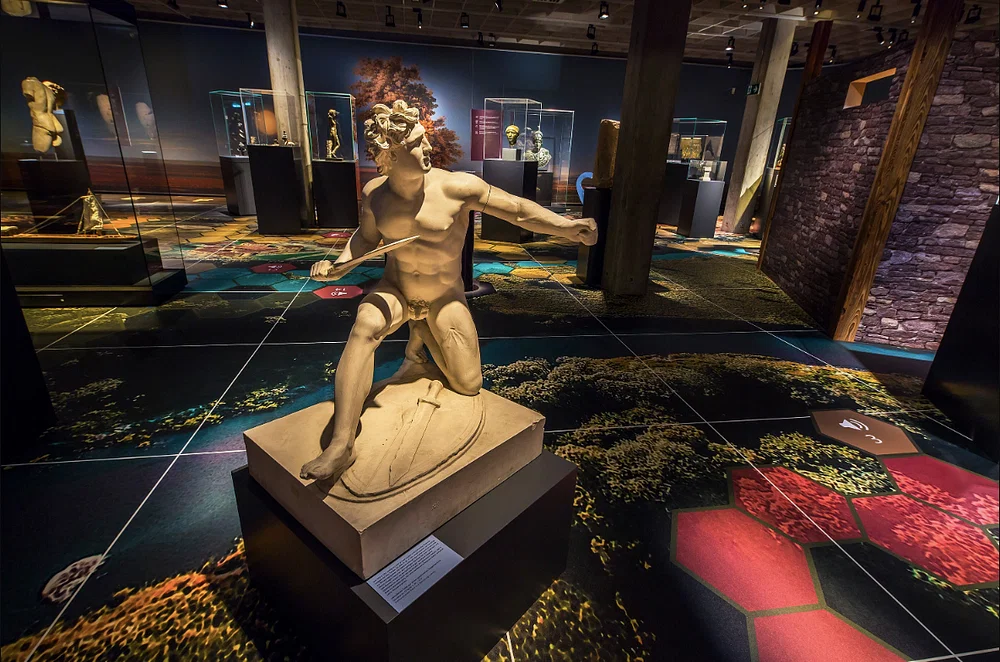
Interview: Ave Caesar! Romans, Gauls and Germanic tribes on the Banks of the Rhine


JBW: Many thanks for speaking with me yet again, Dr. Esaù Dozio. For thousands of
years, people have viewed the Rhine River as a boundary of sorts, dividing northern and
southern Europe. The Rhine River was a conduit of wealth and exchange. Nonetheless, I am curious to know why you and your fellow curators chose the Rhine River as the focus of the Antikenmuseum’s latest exhibition. I would suspect that Basel’s location, sitting astride the Rhine, had some role in this.

ED: Between fall 2022 and summer 2023, the Netzwerk Museen is dedicating an international exhibition series to the Rhine. Thirty-eight museums from Germany, France, and Switzerland highlight the importance of this river for our region from different perspectives. For the Antikenmuseum, it was a fitting occasion to present the ancient history of the Rhine. In this context, Basel and the surrounding region have a special role to play, especially since the Celtic settlement of Basel-Gasfabrik, the fortified oppidum on the local Münsterhügel and the nearby Roman colony of Augusta Raurica provide outstanding conditions for such a project.

Read the rest of this article...

Sunday, February 19, 2023

The Meols Pub Boat: a hypothesis

Satellite view of the Railway Inn Pub. The position of the vessel is marked by an ellipse. 

In 2007 Ground Penetrating Radar confirmed the existence of an old boat buried deep under
a car park/patio area of a pub near the Railway Station in Meols, Wirral (Fig. 1), a find that
had been reported some 70 years earlier. 

1938 Discovery
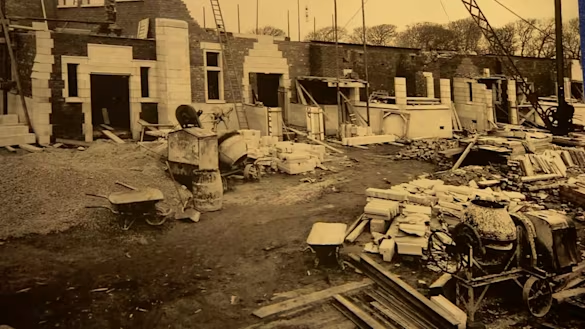
In 1938 the Railway Inn Pub was being rebuilt further away from the road with the site of the
old building becoming a car-park. Workers unearthed part of an old clinker boat buried in
waterlogged blue clay some 2-3m underneath the surface. One of the workers, Mr John
McRae, made detailed notes about the vessel - its size and clinker design (built with
overlapping planks) - and noted its location before it was covered over. In 1991 his son - also
John - compiled the notes together into a report with a sketch (Fig 2), and presented it to
Liverpool Museum (now National Museums: Liverpool) in 1991, after which the information
was entered by an assitant curator into the Sites and Monuments Record [1]. No further
action was taken. 

Read the rest of this article...

Saturday, February 18, 2023

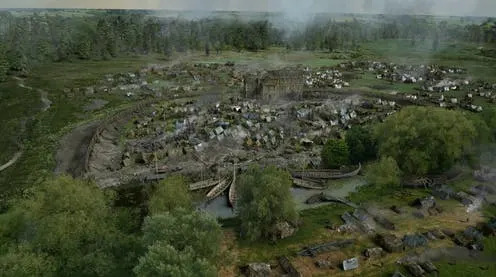
Artist’s impression of the viking camp established in 873 at Repton (Derbyshire, England). Compost Creative, Author provided Hideouts, harbours and homes: how vikings may have owed their success to their encampments

Artist’s impression of the viking camp established in 873 at Repton (Derbyshire, England).
Compost Creative, Author provided

For many years, archaeologists and historians have provided an increasingly informed insight into the dynamic world of the vikings, chipping away at the clichés of a crazed, capricious people preoccupied with beards and bloodshed. One particular approach to understanding viking activity has been to study the encampments they set up along the coasts and rivers of western Europe, allowing them to substitute their ships for a fixed, onshore position whenever cold, fatigue, hunger, or other conditions compelled them to.

Often called “winter camps” or longphuirt, more than 100 of these sites were witnessed across the Atlantic archipelago and European mainland during the ninth century alone, and their tangible remains have been uncovered in places like Repton and Torksey in England, and Woodstown in Ireland. Most recently, potential viking encampments have also been pointed to near Zutphen in the Netherlands, as well as the Coquet Valley in Northumbria.

Read the rest of this article...
Could there be a Viking boat buried underneath a Wirral pub carpark?

80 years ago when the pub was built, workers made a discovery which is thought could be a Viking boat

Dominga Dett, Chair of Wirral Archaeology said: "There has been intense local interest in this buried object for many years.

"It has been thought that the boat dates from the Viking era but no professional investigation has ever been carried out to establish the truth, so everyone is really delighted at the prospect of what we might discover."

Lisa Jones, General Manager at The Railway, said: "Team Railway is very happy to be part of this historic moment and supports the work of the archelogy group.

"There is a buzz and excitement around this and we look forward to finding out more about what is buried beneath the car park.

Read the rest of this article...

Standing Swords

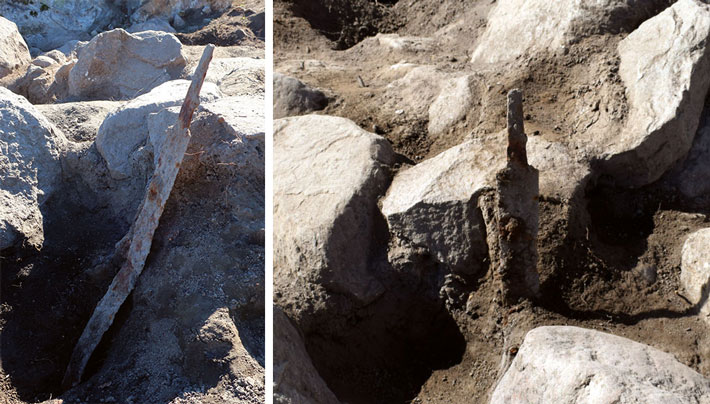
(Arkeologerna Statens historiska museer)Upright swords, Köping, Sweden

While excavating a Viking cemetery near the Swedish town of Köping, archaeologists discovered a pair of sword hilts protruding curiously from the earth. After further investigation, they determined that the handles belonged to Viking swords that had been thrust into the earth above two burials and had remained upright for 1,200 years. “Viking Age graves containing swords are very rare,” says Anton Seiler, an archaeologist working with Sweden’s National Historical Museums. “Graves where swords were set in a vertical position are even rarer.”

Because it would have taken a great amount of force to hammer the weapons through the soil and large stones that covered the burials, researchers do not believe the blades were in this position by chance. “It was clearly a conscious action,” Seiler says, though he is not certain why the swords were arranged in this unusual way. Perhaps, he says, it was a gesture meant to aid the deceased warriors’ journey to Valhalla. It also may have been a way of commemorating the dead. Family members visiting the graves would have been able to touch the sword handles, thereby maintaining a close connection with the departed.

Read the rest of this article...

ARCHAEOLOGISTS INVESTIGATE ANCIENT BOAT BURIED BENEATH CAR PARK


ARCHAEOLOGISTS FROM THE UNIVERSITY OF NOTTINGHAM ARE INVESTIGATING AN ANCIENT BOAT BURIED BENEATH A PUB CAR PARK IN WIRRAL, ENGLAND.

The boat was first discovered in 1938 by workmen, who partially exposed the vessel at the Railway Inn pub in Meols. The workmen reburied the boat after making several notes and sketches, with no further archaeological studies conducted until now.

A closer study of the sketches suggest that the boat is a clinker design (overlapping planks), technique that developed in the Nordic shipbuilding tradition, and was commonly used by the Anglo-Saxons, Frisians and Scandinavians.

Read the rest of this article...